Best Time for Concrete Repairs
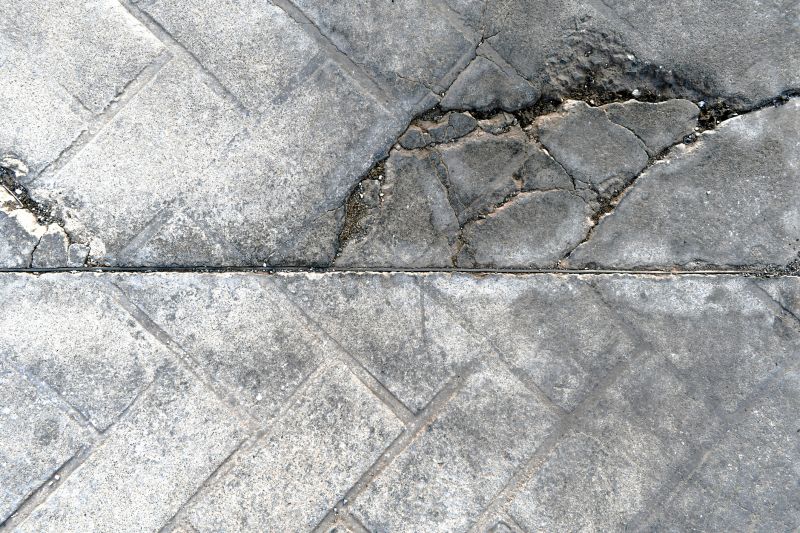
Spring offers moderate temperatures ideal for concrete repair projects, reducing the risk of cracking or improper setting.
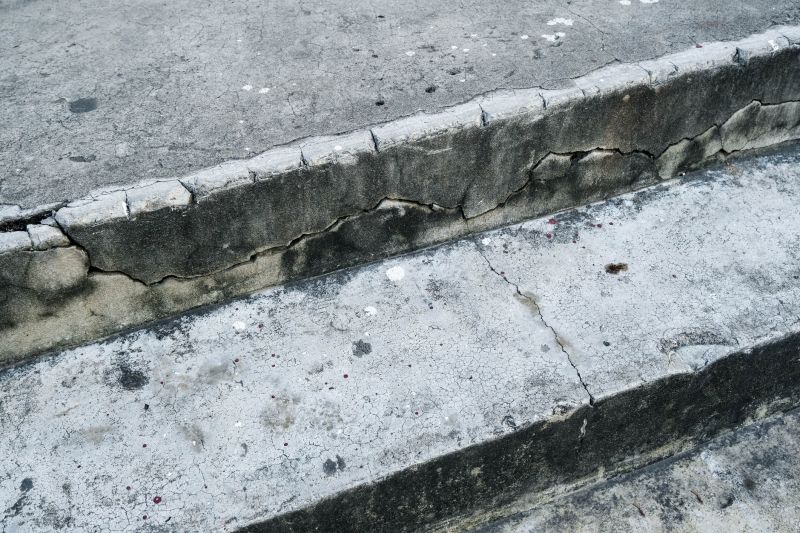
Warm weather speeds up curing but requires protection from excessive heat and direct sunlight to prevent surface issues.
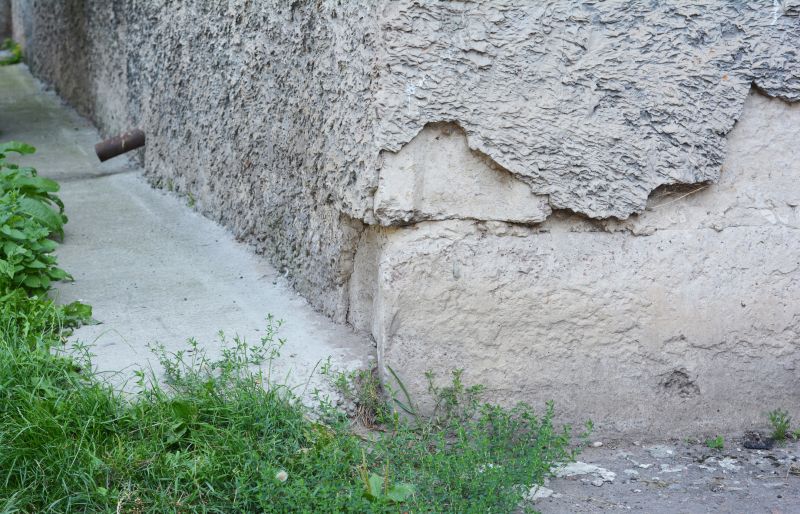
Fall provides cooler temperatures and less humidity, creating optimal conditions for concrete curing and durability.
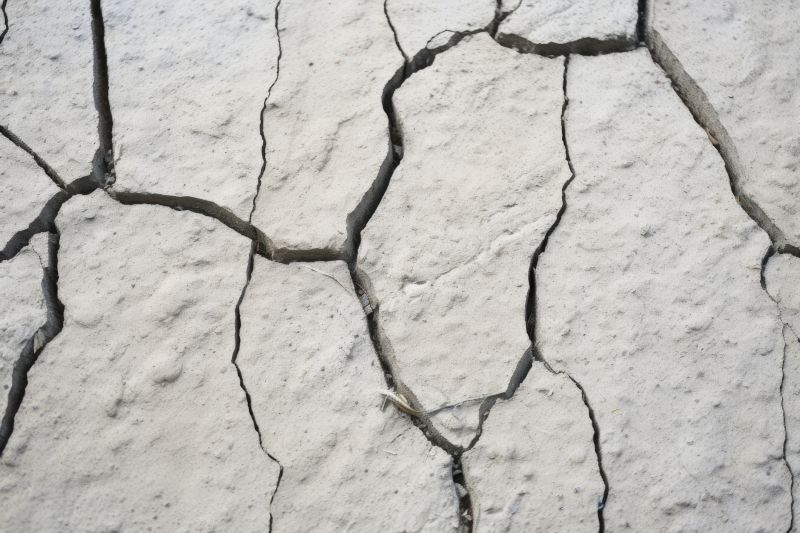
Cold temperatures can hinder proper curing and increase the risk of cracking, making winter less suitable for repairs.
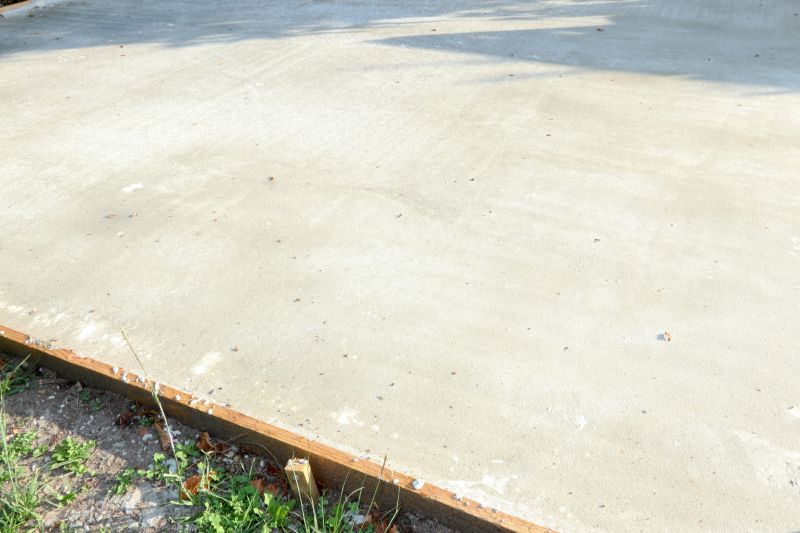
The best time for concrete repairs is during mild, dry weather with daytime temperatures between 50 and 85 degrees Fahrenheit.
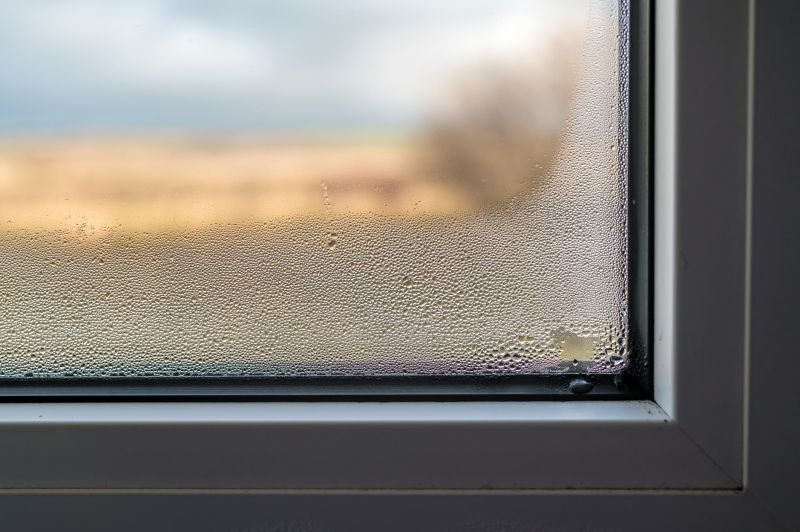
Monitoring weather forecasts helps determine the optimal window for repairs, avoiding rain, extreme heat, or cold snaps.
Concrete repairs are essential for maintaining structural integrity and aesthetic appeal in various applications. Proper timing ensures optimal curing, reduces the risk of cracks, and extends the lifespan of the concrete surface. Weather conditions significantly influence the success of repair projects, making seasonal planning crucial.
Statistics indicate that concrete exposed to improper curing conditions can develop surface defects and structural weaknesses, leading to costly repairs. Approximately 70% of concrete failures are linked to improper curing or environmental factors during installation. Therefore, selecting the right time for repairs can save time and resources while ensuring durability.
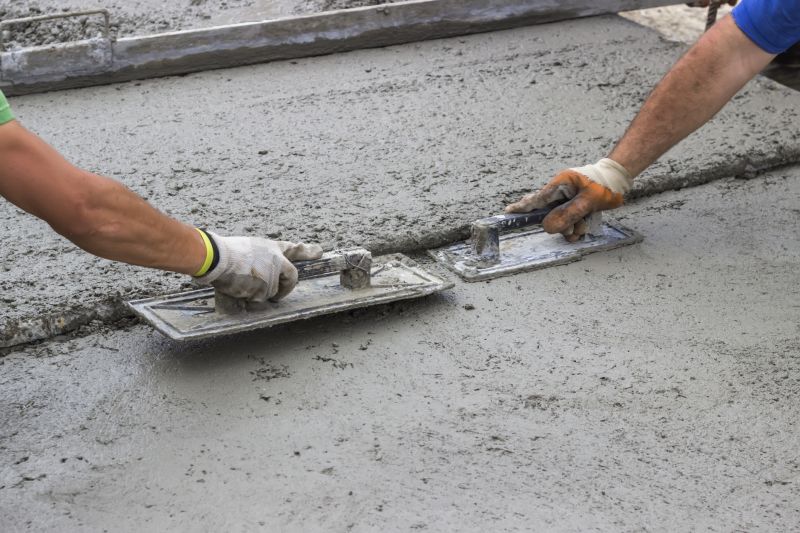
Ways to make Concrete Repairs work in tight or awkward layouts.
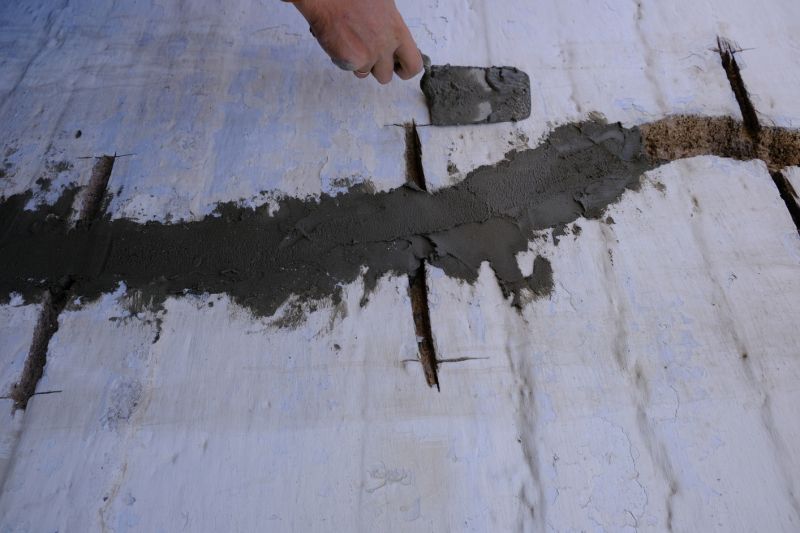
Popular materials for Concrete Repairs and why they hold up over time.
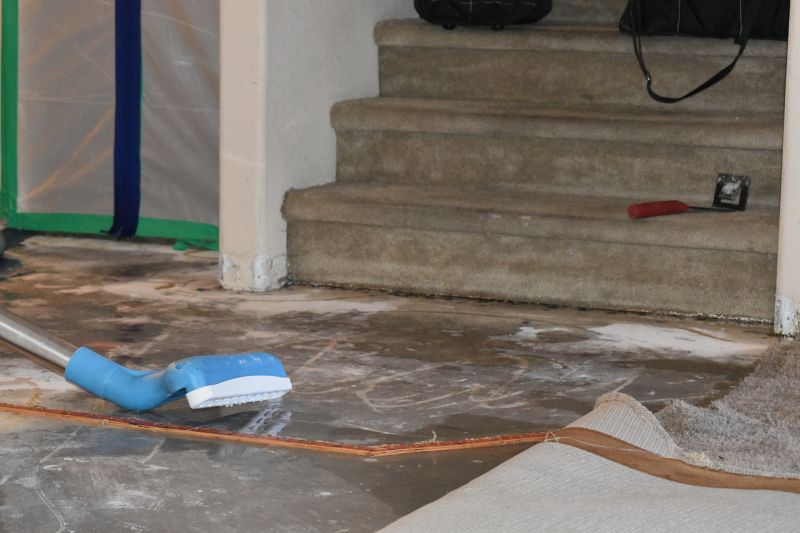
Simple add-ons that improve Concrete Repairs without blowing the budget.
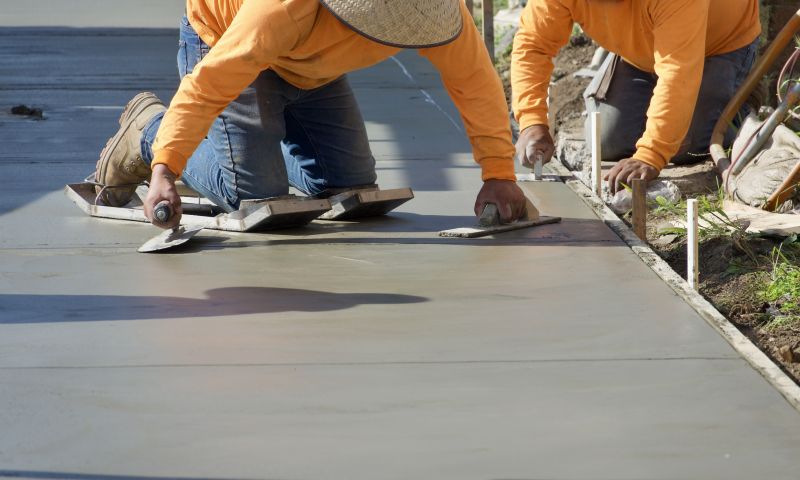
High-end options that actually feel worth it for Concrete Repairs.
Concrete typically reaches full strength within 28 days, but initial curing can be effective within a few days under proper conditions.
Winter repairs are possible but require special measures such as insulation and heating to ensure proper curing.
Avoid repairs during rain, freezing temperatures, or extreme heat to prevent surface defects and compromised strength.
Higher temperatures accelerate curing but can cause cracking; lower temperatures slow curing and may lead to incomplete setting.
Understanding the impact of weather and seasonal factors on concrete repairs can significantly influence project success. Proper timing minimizes issues such as cracking, surface scaling, and structural weaknesses, ensuring a durable and long-lasting repair.