
Ultimate Guide to Concrete Repair Products for Long-Lasting Fixes
Learn about essential products that provide effective solutions for repairing cracks, chips, and structural issues.
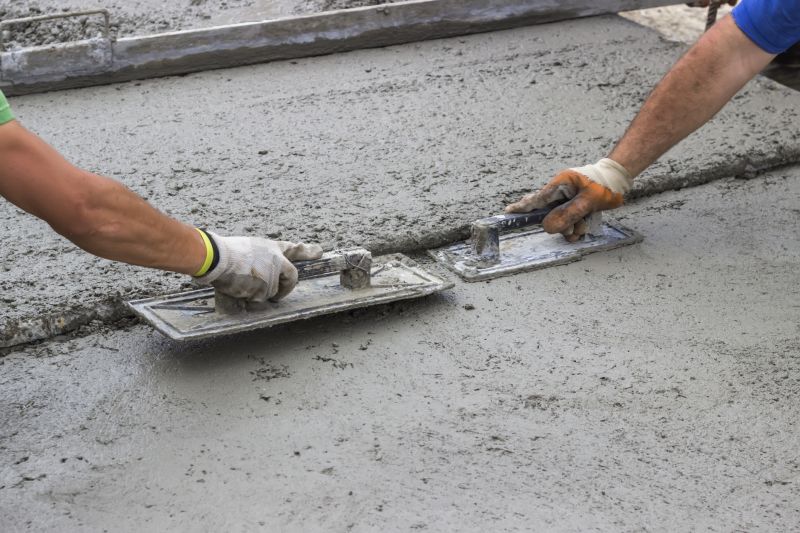 Concrete repairs are essential for maintaining the integrity and appearance of various structures, from residential driveways to commercial foundations. Selecting the right products for concrete repair can help ensure durable, long-lasting results. There are numerous options available, ranging from patching compounds to sealers, each suited for different types of damage and repair scenarios. Proper preparation and application are key to achieving optimal outcomes, and understanding the variety of products can assist homeowners and professionals in making informed decisions.
Top Overall Option
Multi-Purpose Concrete Repair Compound
A versatile repair compound suitable for filling cracks, patching holes, and resurfacing damaged concrete surfaces. It offers easy application, good adhesion, and durability for both indoor and outdoor projects, making it a reliable choice for various repair needs.
Types of Products For Concrete Repairs
Concrete Patch Mixes
Pre-mixed or dry mixes designed for filling cracks and holes, available in various formulations for different repair sizes and surfaces.
Epoxy Injection Kits
Used to repair structural cracks, these kits provide strong bonding and stability for load-bearing concrete.
Polyurethane Sealants
Flexible sealants ideal for sealing expansion joints and cracks that experience movement.
Hydraulic Cement
Specialized cement for stopping active leaks and sealing large cracks or holes in concrete surfaces.
Concrete Resurfacing Products
Thin overlays and coatings that restore surface appearance and provide a new, durable finish.
Surface Sealers
Protective coatings that prevent water infiltration and surface deterioration.
Crack Fillers
Ready-to-use products designed specifically for filling and sealing cracks on concrete surfaces.
Bonding Agents
Adhesives used to improve the bonding of new concrete to old surfaces during repairs.
Self-Leveling Compounds
Materials that create smooth, level surfaces over damaged or uneven concrete floors.
Patch Repair Mortars
High-strength mortars used for larger patching projects and structural repairs.
Waterproofing Membranes
Applied to concrete surfaces to prevent water ingress and protect against moisture damage.
Concrete Densifiers
Chemical treatments that harden and densify the surface of concrete for added durability.
Expansion Joint Fillers
Materials designed to fill and seal expansion joints, accommodating movement and preventing debris buildup.
Quick-Set Repair Compounds
Fast-curing products suitable for urgent repairs and small patch jobs.
Crack Repair Tubes
Flexible tubes for injecting sealant into cracks, ideal for precision repairs.
Popular Choices
Widely used for sealing small to medium cracks, providing a quick and effective solution.
Popular for its flexibility and ability to accommodate movement in joints and cracks.
Commonly selected for stopping active leaks and sealing larger holes.
Favored for structural crack repairs, offering strong adhesion and durability.
Chosen for restoring surface appearance and extending the life of worn concrete.
Popular for protecting repaired surfaces from water and stains.
Frequently used for leveling uneven floors and surfaces.
Preferred for larger patches and structural repairs due to its strength.
Often selected for foundation or basement repairs to prevent moisture intrusion.
Applied to enhance surface hardness and longevity.
Commonly used to maintain flexibility in expansion joints and prevent debris buildup.
Ideal for urgent repairs requiring rapid curing.
Popular for precise injection of sealants into cracks.
When addressing cracks, spalling, or surface deterioration, the choice of repair material plays a significant role. For minor surface cracks, quick-setting repair compounds can provide a seamless finish, while larger structural issues may require more robust solutions such as epoxy injections or mortar mixes. Surface sealers and protective coatings are also important to prevent future damage and extend the lifespan of the repaired concrete. Regular maintenance and timely repairs can help avoid more costly and extensive repairs down the line.
It is important to consider factors such as the type of damage, the location of the repair, weather conditions, and the expected load on the repaired area. Products designed for interior versus exterior use may differ, and compatibility with existing concrete is crucial. Proper surface preparation, including cleaning and roughening the area, enhances adhesion and overall effectiveness. Choosing products that are easy to work with and suitable for the specific repair task can make the process more efficient and successful.
Key Buying Considerations
- Identify the type and extent of damage to select the appropriate product.
- Consider whether the repair is for interior or exterior use, as formulations may differ.
- Check the product’s curing time to match your project timeline.
- Ensure compatibility of the repair material with existing concrete surfaces.
- Evaluate the flexibility of the product if the crack or joint is subject to movement.
- Assess the ease of application, especially if DIY installation is planned.
- Look for products that offer good adhesion and bonding properties.
- Consider weather conditions during application, particularly for outdoor repairs.
- Determine if the product provides water resistance or waterproofing capabilities.
- Review the recommended surface preparation steps for optimal results.
- Choose products with appropriate strength and durability for load-bearing areas.
- Check if the product is suitable for the size of the repair—small cracks versus large patches.
- Evaluate the need for additional products such as primers or sealers.
- Consider the long-term maintenance requirements of the repair material.
- Read user reviews or expert opinions to gauge real-world performance.